
Maintenance Tips to Extend the Life of Pumps
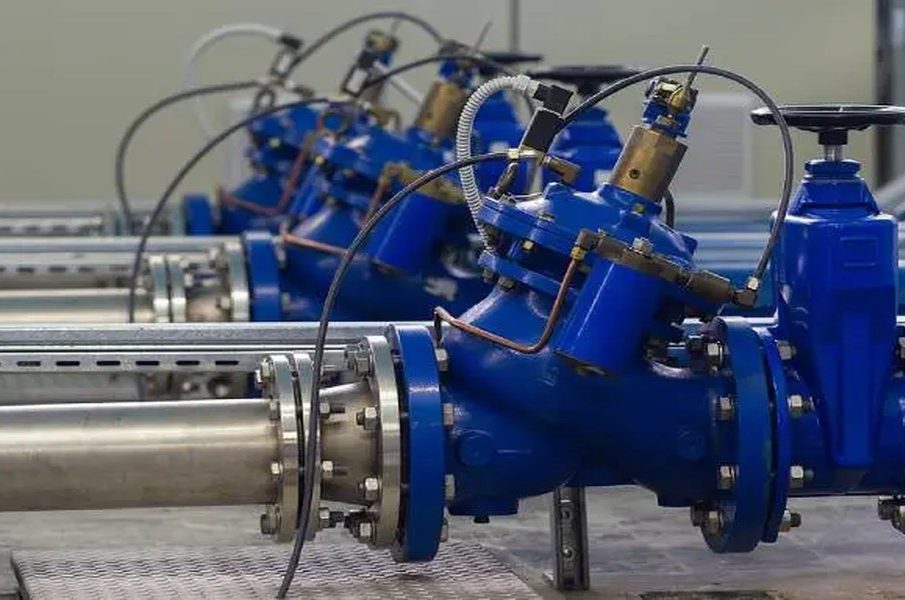
Pumps play a vital role in managing water supply for homes, farms, and industrial applications. Whether used for irrigation, commercial systems, or large-scale operations, their performance directly affects efficiency, reliability, and overall operational continuity. A well-functioning pump ensures consistent water flow, supports system stability, and reduces the risk of disruption in essential activities.
However, like any mechanical equipment, pumps require consistent care to operate at their best and last longer. Investing in high-quality components produced through precision manufacturing processes, such as those delivered by Texmo Blank, is only the first step. Without proper maintenance, even well-built pumps can experience avoidable wear, reduced efficiency, and unexpected breakdowns. A structured and proactive approach to upkeep not only prevents failures but also ensures that systems continue to perform reliably over extended periods.
Understand Your Pump’s Operating Conditions
Before establishing a maintenance routine, it is important to understand how your pump operates within its specific environment. Factors such as water quality, frequency of use, pressure requirements, and surrounding conditions all contribute to the system’s level of wear and tear.
For instance, pumps operating in areas with high sediment or mineral content may face increased abrasion and clogging, which can affect internal components over time. Similarly, systems that run continuously or under high load are more likely to experience overheating and mechanical stress. Environmental factors such as temperature fluctuations and exposure to moisture can also impact performance.
By identifying these operating conditions early, users can adopt a more targeted and effective maintenance strategy. This ensures that maintenance efforts are not only consistent but also relevant to the actual demands placed on the system.
Keep the Pump Clean and Free from Debris
Regular cleaning is one of the simplest yet most effective ways to maintain pump performance. Over time, dirt, sand, and debris can accumulate in critical areas such as the inlet, outlet, and internal passages. This buildup restricts flow, reduces efficiency, and forces the pump to work harder than necessary.
Maintaining clean filters, strainers, and surrounding areas helps ensure smooth operation and prevents unnecessary strain on the system. In environments with inconsistent water quality, more frequent cleaning may be required to prevent blockages.
A clean pump not only performs more efficiently but also reduces energy consumption. By minimising resistance within the system, the pump can operate at optimal levels, contributing to both cost savings and improved longevity.
Check for Leaks and Seal Integrity
Leaks are often small at first but can lead to significant issues if left unaddressed. Even minor leaks can reduce system pressure, affect efficiency, and allow contaminants to enter the pump. Over time, this can result in corrosion, internal damage, and reduced operational reliability.
Regular inspection of shaft seals, pipe connections, valves, and joints is essential for maintaining system integrity. These components are subject to wear and should be monitored closely, especially in high-pressure systems.
Addressing leaks early by tightening connections or replacing worn seals helps prevent more serious damage. This proactive approach reduces repair costs and ensures that the pump continues to operate efficiently.
Monitor Electrical Components
For electrically powered pumps, the condition of electrical components plays a critical role in overall performance. Faulty wiring, loose connections, or unstable voltage supply can reduce efficiency and increase the risk of system failure.
Routine inspections should focus on ensuring that all connections are secure, corrosion-free, and properly insulated. Voltage fluctuations should also be monitored, as an inconsistent power supply can place additional stress on the motor.
Maintaining stable electrical performance not only improves efficiency but also enhances safety. Well-maintained electrical systems help prevent unexpected shutdowns and extend the pump’s lifespan.
Lubricate Moving Parts
Friction is one of the primary causes of wear in mechanical systems. Without proper lubrication, moving parts can generate excess heat, leading to faster deterioration and potential failure.
Applying the correct type and amount of lubricant helps reduce friction and ensures that components move smoothly. It is important to follow the manufacturer’s guidelines for lubrication frequency and quantity, as both under- and over-lubrication can negatively affect performance.
Consistent lubrication not only protects internal components but also contributes to quieter operation and improved overall efficiency.
Avoid Overloading the Pump
Operating a pump beyond its designed capacity places unnecessary strain on its components. Overloading can result in overheating, reduced efficiency, and accelerated wear of internal parts.
Maintaining the pump within its recommended pressure and flow limits ensures optimal performance and reduces the risk of damage. Systems that operate continuously should also be given adequate rest periods when possible, allowing components to cool and recover.
By carefully managing load conditions, users can extend the pump’s operational life and maintain consistent performance over time.
Schedule Regular Inspections
Routine inspections are a proactive way to maintain pump health and prevent unexpected failures. Small issues, when identified early, are easier and more cost-effective to resolve than major breakdowns.
Establishing a structured maintenance schedule that includes regular visual checks, performance monitoring, and periodic servicing ensures that the system continues to operate efficiently. In industrial and agricultural environments, where pumps often run for extended periods, consistent monitoring is particularly important.
Over time, this approach helps reduce downtime, improve reliability, and extend the overall lifespan of the equipment.
Protect the Pump from Environmental Damage
External conditions can significantly impact pump durability and performance. Exposure to moisture, dust, extreme temperatures, or direct sunlight can accelerate wear and affect both mechanical and electrical components.
Installing protective covers, ensuring proper ventilation, and placing the pump in a controlled environment can help minimise these risks. In outdoor or harsh environments, additional protective measures may be required to prevent damage.
By reducing exposure to environmental stress, users can maintain consistent performance and avoid premature component failure.
Conclusion
Maintaining a pump is not a complex process, but it requires consistency, attention to detail, and a proactive approach. Each aspect of maintenance, from cleaning and lubrication to monitoring operating conditions, plays a role in ensuring long-term reliability and efficiency.
By following these practical maintenance tips, users can extend the life of their pumps, reduce unexpected failures, and maintain optimal performance. A well-maintained system not only reduces operational costs but also ensures dependable performance across a wide range of applications, supporting both short-term efficiency and long-term sustainability.


