
Top Gas Detection Equipment for Workplace Hazard Prevention
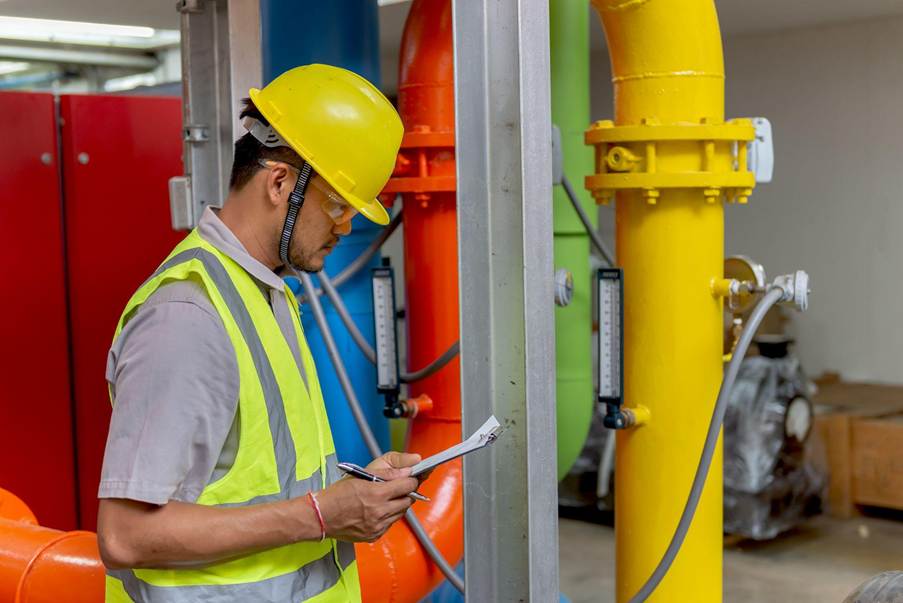
Maintaining a safe work environment in gas-prone industries is crucial. Hazardous gases in manufacturing plants or confined spaces can put workers at serious risk. Gas detection equipment is the first line of defence, alerting personnel before conditions become dangerous. Below are key types of gas detection systems every workplace should consider to prevent hazards.
Fixed Gas Detection System for Continuous Monitoring
A fixed gas detection system provides consistent monitoring of gas levels across designated zones. Installed permanently in areas such as chemical storage rooms or production facilities, this system continuously samples the air for potential leaks or emissions. It is particularly useful in places where toxic or combustible gases might accumulate without immediate notice. The system automatically triggers alarms and activates ventilation controls when unsafe gas concentrations are detected. Its reliability and 24-hour operation make it an essential part of any industrial safety strategy.
Portable Gas Detectors for On-the-Go Safety
Portable gas detectors are vital for employees who frequently move between work areas. These handheld devices can measure multiple gases simultaneously, offering flexibility and real-time protection during inspections or maintenance work. Workers can quickly assess confined spaces such as tanks, pipelines, or tunnels before entry. Because of their compact design, they are convenient to carry and provide immediate alerts if harmful gas levels are detected. This mobility allows safety officers to assess environments efficiently while reducing risks associated with exposure.
Wireless Gas Detection Systems for Remote Monitoring
Modern safety management relies on data integration and connectivity. Wireless gas detection systems combine sensor networks with cloud-based platforms, enabling safety teams to monitor conditions remotely. They transmit real-time data to central control rooms or mobile devices, allowing quick response to emerging risks. This technology enhances safety across large facilities and supports predictive maintenance by analysing historical data trends. With wireless systems, companies can ensure wider coverage while minimising manual inspections.
Multi-Gas Detectors for Versatile Protection
Workplaces dealing with different gases need a system that can detect several at once. Multi-gas detectors are designed for this purpose, identifying oxygen deficiency, combustible gases, and toxic vapours in one device. Their versatility makes them suitable for construction sites, refineries, and manufacturing plants where varied gas types are used. By providing comprehensive readings, they help prevent incidents that could result from mixed gas environments. The detailed monitoring also supports compliance with occupational safety regulations.
Infrared Gas Detectors for Precision and Durability
Infrared gas detectors use optical sensors to identify specific gas types with exceptional accuracy. They operate effectively even in environments where traditional sensors might degrade due to humidity or corrosive substances. These detectors are ideal for facilities handling flammable gases such as methane or carbon dioxide. Unlike chemical-based sensors, infrared technology provides stable readings and requires less frequent calibration. Their long lifespan and reduced maintenance make them a cost-effective option for long-term safety monitoring.
Learn More: Lone Worker Safety in Singapore: How Blackline G7c and EXO 8 Redefine Protection
Ultrasonic Gas Leak Detectors for Noisy Environments
In environments where sound or vibration is constant, traditional gas detectors may fail to detect leaks quickly. Ultrasonic gas leak detectors address this issue by sensing the high-frequency sound waves produced when gas escapes under pressure. They provide instant detection regardless of wind direction or ventilation patterns. This makes them highly suitable for offshore platforms, compressor stations, and industrial plants where early detection can prevent catastrophic failures. Their ability to function independently of gas concentration levels adds another layer of protection.
Calibration Stations for Reliable Sensor Accuracy
Even the best gas detection equipment can lose accuracy without proper maintenance. Calibration stations ensure that sensors remain reliable by periodically testing and adjusting their readings. These systems verify detector performance before deployment and during scheduled maintenance checks. Regular calibration helps prevent false alarms and ensures accurate detection in critical situations. Investing in calibration equipment demonstrates a proactive commitment to worker safety and operational excellence.
The right gas detection equipment can mean the difference between a safe workday and a hazardous incident. Whether through a fixed gas detection system or portable monitoring devices, each technology plays a vital role in maintaining workplace safety. Businesses should assess their specific operational risks and select systems that offer comprehensive and consistent monitoring.
For more information about gas detection equipment, contact Ansac Technology today.


