
A Beginner’s Guide to Choosing the Right Mobile Signal Booster
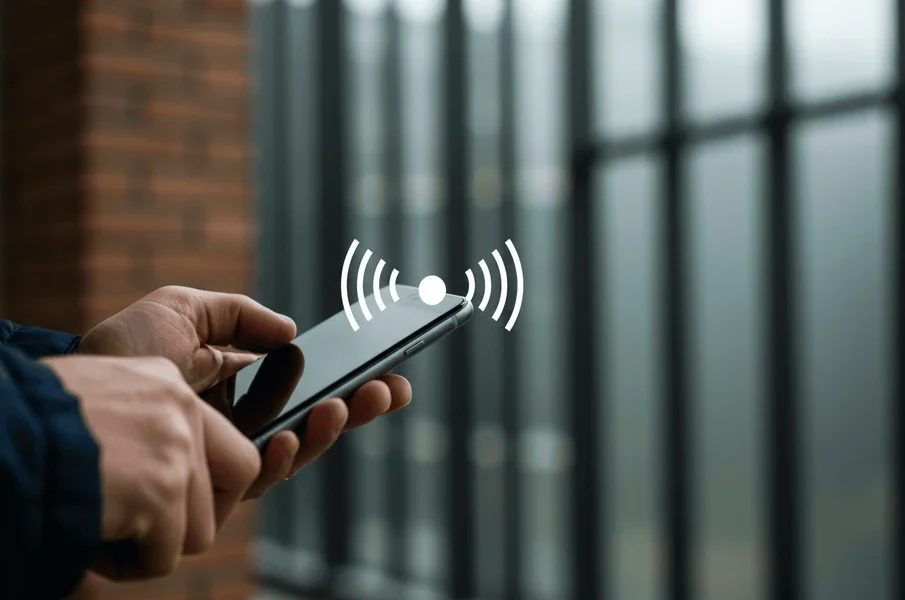
A reliable mobile signal is important for making calls, sending messages, and using mobile data without interruptions. However, some homes, offices, and other buildings may have weak indoor reception because of thick walls, metal structures, distance from cell towers, or other obstacles. A mobile signal booster can help improve coverage in these areas. For beginners, choosing the right booster can seem confusing, but understanding a few basic factors can make the process easier.
To address these coverage gaps, investing in a suitable Mobile Signal Booster allows users to bridge the distance between nearby cellular towers and poorly covered interior spaces. These systems work by capturing whatever usable signal is present outside, boosting its power through an internal amplifier, and seamlessly distributing it to dead zones inside. Integrating this technology ensures that daily tasks-from urgent phone calls to basic web browsing-run smoothly without the hassle of dropped connections or hunting for windows
Check the Existing Signal
Before choosing a mobile signal booster, check the signal strength outside the building. A booster needs an existing mobile signal to capture and improve it. If the outdoor signal is extremely weak or unavailable, a standard booster may not provide the expected results. Checking different areas around the building can help identify where the strongest available signal is located.
Consider the Coverage Area
The size of the space that needs better coverage is another important factor. A small room may require a different setup from a large house, office, warehouse, or commercial building. Consider how many rooms need improved reception and whether there are multiple floors. Choosing equipment designed for the required coverage area can help provide more consistent results.
Identify Supported Networks
Mobile networks use different frequencies and technologies. Before purchasing a booster, make sure it supports the networks and frequencies used by the mobile devices in the area. A booster that does not support the required network may not improve reception effectively. Checking compatibility is therefore an important step for beginners.
Understand Antenna Placement
A mobile signal booster normally uses an outdoor antenna to receive the available signal and an indoor antenna to distribute the improved signal. The placement of these antennas can affect performance. The outdoor antenna should be positioned where it can receive a strong signal, while the indoor antenna should be placed where better coverage is needed.
Consider Building Materials
The materials used in a building can affect mobile signal strength. Concrete, metal, thick walls, and certain types of insulation can weaken signals significantly. If a building has several barriers between the outdoor antenna and indoor areas, a more suitable setup may be required. Understanding the building structure can help with choosing the right equipment.
Look at Installation and Maintenance
Beginners should also consider how easy the system is to install and maintain. Some setups may be relatively simple, while larger buildings may require more careful positioning and installation. Equipment should be installed according to its instructions and checked regularly to ensure reliable performance.
Avoid Choosing Only by Price
The least expensive option may not necessarily be the best choice. Instead of focusing only on price, consider coverage, compatibility, signal strength, building size, and overall performance. A suitable booster should meet the actual needs of the space without unnecessary features.
Conclusion
Choosing the right mobile signal booster becomes easier when you understand the basic requirements. Check the available outdoor signal, determine the coverage area, confirm network compatibility, consider building materials, and pay attention to antenna placement and installation. By evaluating these factors carefully, beginners can select a suitable system that helps provide stronger and more reliable indoor mobile coverage.


